completed in 607
HŌRYŪ-JI
Founders:
Empress Suiko
Prince Shōtōku
protected by: Sākyamuni
Buddha, "Awakened One" or "Enlightened One"
architect
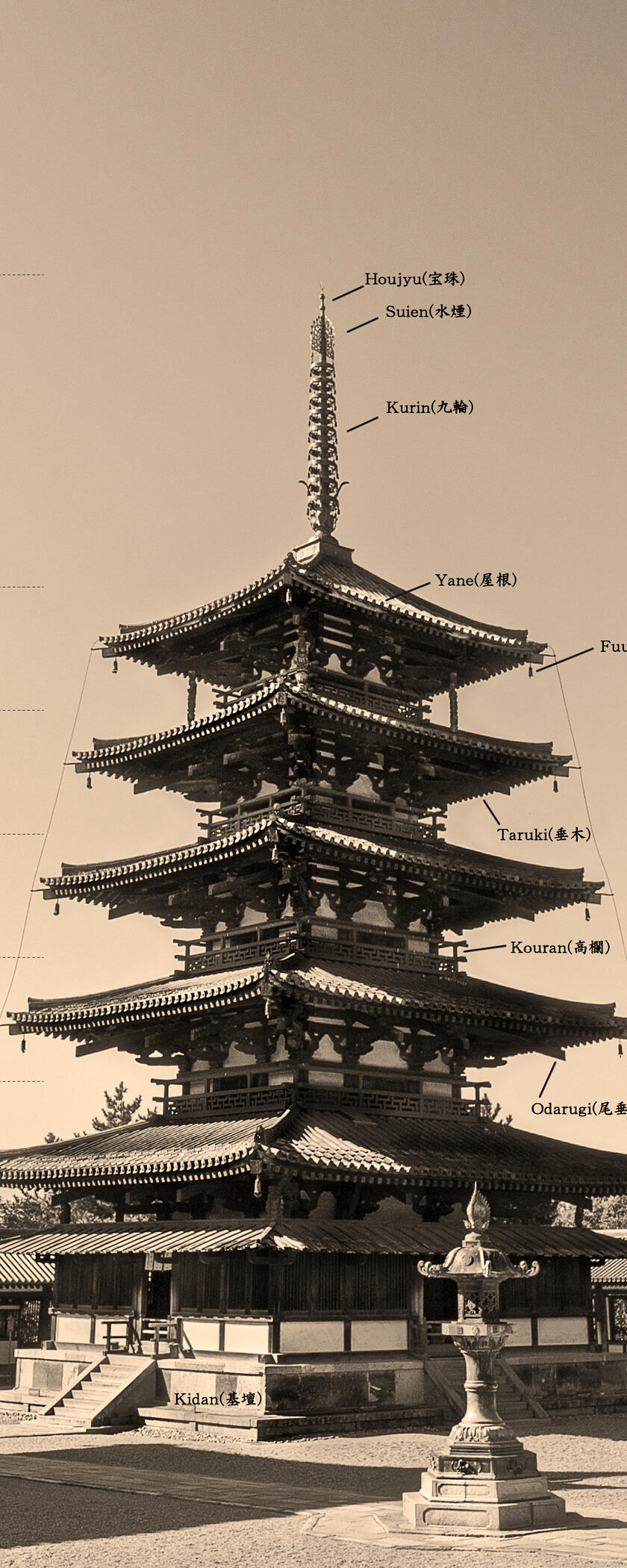
Hōryū-ji has 2 areas,
Sai-in in the west
and Tō-in in the eastSai-in contains the Kondo (main hall) and the Pagoda
While Tō-in contains Yumedono (hall of dreams)It's built with the oldest surviving wood and the joinery technique, it's held together without nails but with interlocking joints, brackets and curved roofs to keep it strong so it doesn't destroy easily (from earthquakes and etc), it's design according to researchers is supposed to give the meaning of Harmony and Balance which is why it's still standing even after 1000+ yearsInside Kondo there's Buddhist statues and relics which are used in rituals and ceremonies (more information on the ceremonies section), there are also paintings, offerings from monks and according to archaeologists it has a strong "spiritual atmosphere"While inside Yumedono there's a tall statue made after the Prince (Shōtōku), that's hidden inside a champer that's rarely shown outside in public since its mostly made for devotion rather than aesthetic or decoration, in this one the atmosphere feels "quiet"
Hōryū-ji is a Buddhist temple in Japan, founded by the Empress Suiko and Prince Shōtōku in 600, it used to be one of the seven most powerful temple and it's protected by Sākyamuni
(Buddha teacher). It was burned down in 670CE but got rebuilt soon after, though even after that its still one of the oldest surviving wooden architecture 'til this day that has inspired and influenced many Korean and Chinese architectures.
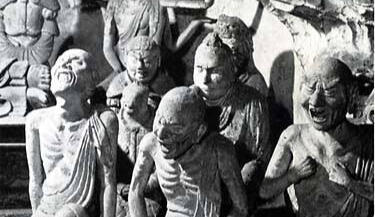
inside the temple there are the following:BUDDHIST STATUES
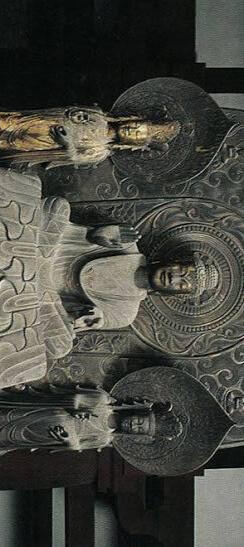
- Shaka Triad
- Yumedono Kannon
- Yakushi Nyorai
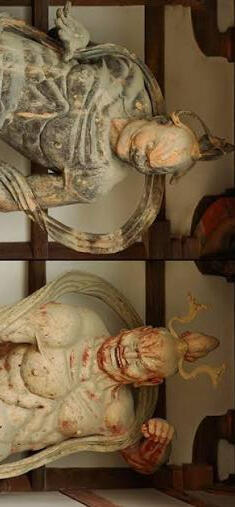
- Four Heavenly Kings
(As mentioned before, the most important one is Sākyamuni!)RITUAL OBJECTS
- Tamamushi Shrine
- Buddhist Halo (bronze)
- Bells
- Incense
- Offering toolsTEMPLE OBJECTS
- ancient wood platforms
- temple doors
- painted folding screens
- bronze fittings and decorationsART
- wall paintings
- decorative panels
- silk paintings used in ritualsFUN FACT: there's also scrolls hand-written by the prince himself and the Buddhas that used to work in that temple!
Hōryū-ji had 8 different ceremonies!!— Oeshiki was a ceremony for the prince's memorial, every March 22 until March 24 they would hold an annual event for the prince's death, giving the statue colorful offerings and service (since he liked colorful stuff)— Oni oi shiki was a demon banishing ritual which was every February 3rd, apparently it banishes every evil spirit or entity from the previous year and it features the warrior deity Bishamonten— Shunie a ceremony in February thats all about love, peace and prosperity for the temple— Yumedono No Mizutori this ritual is held in the Yumedono hall where priests checks the moisturizer on a monks seating platform to foretell what's this years harvest situation— Shoryo e another ceremony for the prince, it accompanied with traditional music, dancing and singing— chanting daily prayers— The Healing Buddha people would give offerings to the healing Buddha (Yakushi) by giving swords, helmets, mirrors in hopes that in return, the healing Buddha cures their illness